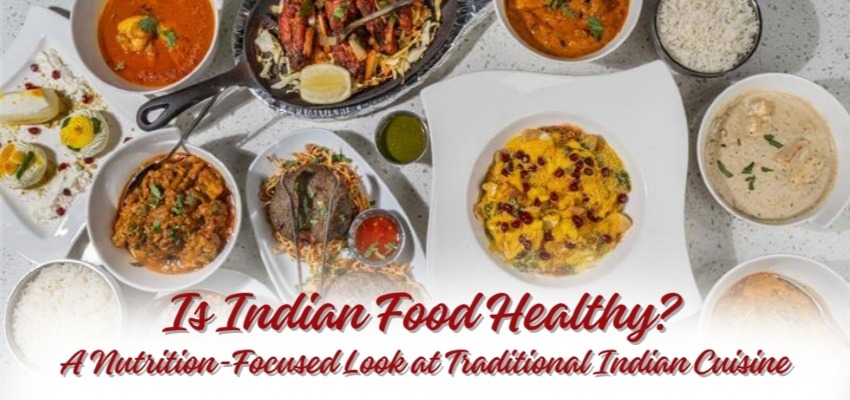
Are you the one going for Indian cuisine for the first time and stuck with a question, Is Indian food healthy? The answer is short yes, when the Indian food is cooked using the traditional cooking process and using whole ingredients. Authentic Indian food is centered on lentils, vegetables, legumes, whole spices, as well as balanced procedures that help in supporting day-to-day nutrition. There are a lot of traditional foods, which are inherently plant-based sources of protein, fiber, and healthy fats, and can be eaten regularly. However, the traditional Indian cuisine of slow cooking, fresh ingredients, and conscious consumption of spices is unlike the highly processed cuisines. An equal balance helps aid in digestion, maintain energy, and general well-being, but without feeling excessively heavy or indulgent.
Why Traditional Indian Food Is Naturally Nutritious
Traditional Indian food nutrition uses balanced meal design to create dishes that help with digestion and provide energy and total body nourishment. The Indian diet combines carbohydrates, proteins, fats, and fiber in a balanced manner instead of dedicating itself to one specific macronutrient.
Important nutritional bases of traditional Indian food include:
- Traditional Indian cuisine presents crucial nutritional elements through its essential dietary components.
- Lentils and legumes serve as primary sources that deliver both plant-derived protein and iron content.
- The vegetables deliver essential vitamins and minerals along with antioxidants.
- The body receives its energy through whole grains, which supply continuous energy and dietary fiber.
The healthy Indian food system combines all essential nutrients as it provides essential dietary components through its blend of carbohydrates, proteins, fats, and dietary fibers.
Dal and Chana Masala, Bhinda Masala, and vegetable curries serve as nutritious Indian dishes that provide substantial dietary content and satisfying portion sizes.
The nutritious nature of Indian food stems from its home-style cooking method, which forms the basis of its culinary traditions. The chef prepares the food by using fresh ingredients, which undergo minimal processing, and the chef uses a moderate amount of oil. The cooking methods of slow cooking, simmering, and spice tempering enable chefs to keep their nutrients while creating authentic food flavors.
Health Benefits of Indian Spices Used in Everyday Cooking
Indian spices work miracles more than taste. Their functional advantages make them, which explains why Indian cuisine is closely associated with the use. Common spices have digestive, anti-inflammatory, and metabolic benefits when taken in moderation.
Key spices commonly used include:
- The essential spices that are frequently used are:
- Turmeric, which is an anti-inflammatory and antioxidant.
- Cumin and coriander are beneficial to digestion and gut.
Ginger and garlic are extensive in terms of immune and digestive advantages.
These spices are combined to add point without rich sauces and fat. Instead of hiding the ingredients, Indian cooking allows the spices to contribute to the natural taste and digestion.
This is why Indian food is tasty without being excessively fatty. Spices enhance appetite, digestion, and manage blood sugar. Utilized properly, they make dishes tasty but with moderate amounts of oil and salt.
Traditional Indian cuisine considers spices as useful ingredients, which provide flavor and health, rather than spiciness.
Is Indian Food Good for Vegetarians and Plant-Based Diets?
Indian food is vegetarian by nature. Meals were made of lentils, legumes, vegetables, and dairy as sources of protein and nutrition, even before modern plant-based foods.
Vegetarian Indian cuisine also provides whole, balanced meals, with food like:
- Chana Masala
- Dal Tadka
- Dal Bukhara
- Bhindi Masala
- Paneer Bhurji
Protein, fiber, and complex carbs are obtained from lentils and legumes; micronutrients and antioxidants are found in vegetables. Paneer offers milk protein to milk consumers. Plant-based meals can be based only on legumes and vegetables.
Vegetarian Indian food is healthy because of its structure. Protein, fiber, and fats are balanced naturally; less processed alternatives are required. Classical cuisine aids in digestion, fullness, and long-term energy and is most appropriate to plant-based and vegetarian diets.
Enjoy Healthy Indian Food – Book on OpenTable!
Healthy vs Heavy Indian Dishes — What’s the Difference?
However, not every Indian meal has an equivalent nutritional profile, which creates confusion regarding whether Indian food is healthy or unhealthy. The major variations typically descend to the methods of cooking, ingredients, and frequency.
Healthier Indian dishes are typically:
- Slow cooked rather than fried
- Tomato- or onion-based instead of cream-heavy
- Vegetable- and lentil-forward
The following characteristics are common to healthier Indian recipes: slow-cooked versus fried, tomato or onion base versus cream-heavy, and vegetable as well as lentil-heavy.
Heavy foods typically include snacks or gravies served by frying and using butter or cream. They are never used in daily meals and are usually reserved for special occasions.
Indian curry changes a lot in terms of its nutrition depending on how it is made. A vegetable lentil tomato-based curry is quite contrasting to a creamy-thick one. Portion size also matters. Indian cuisine is based on moderation and balance, as opposed to excess.
How to Order Healthy Indian Food at a Restaurant
It is not as difficult to order healthy Indian food at Horizons as some may assume. It is possible to maintain the balance with some thoughtful decisions but still have flavors that are authentic.
Consider the following when dining out:
- Choose grilled or tandoori dishes instead of fried items
- Opt for lentil-based dishes and vegetable curries
- Request moderate oil and spice levels if needed
Pair curries with rice or naan in moderation to maintain balance rather than overload bread. Vegetable-forward dishes help increase fiber intake while keeping meals satisfying.
At Tabla Indian Restaurant, customers can experience the traditional cuisine that is cooked in a very genuine style, and hence it will be much easier to enjoy Indian food through a health-conscious lifestyle.
FAQs
1. Is Indian food healthy to eat regularly?
Indian food provides health benefits when cooks prepare it according to traditional methods, and diners consume it in proper portion sizes. Most Indian meals use lentils together with vegetables and whole spices, which chefs prepare through slow cooking methods. The most effective approach for daily eating requires people to consume plant-based foods together with limited amounts of healthy fats.
2. Does Indian cuisine contain excessive calories?
The calorie content of Indian dishes varies according to their specific ingredients, with fried and cream-based dishes being more calorie-rich than other items. Traditional Indian meals maintain their calorie values at moderate levels while delivering complete nutritional content. The cooking method and portion size have the greatest impact on food results.
3. Does Indian cuisine support weight loss?
The consumption of Indian food leads to weight reduction when people eat meals that contain lentils, vegetables, and grilled food. The combination of tomato-based curries with the exclusion of fried snacks enables users to control their calorie intake while maintaining their satisfaction.
4. Is vegetarian Indian food healthy?
Most vegetarian Indian meals provide significant health advantages. The combination of lentils, legumes, and vegetables with spices creates a dietary option that delivers protein and fiber together with essential nutrients for maintaining long-term health.
5. Are Indian spices good for digestion?
The Indian spices cumin and ginger, together with garlic and turmeric, promote digestion and intestinal well-being. They are used in small amounts to enhance flavor while offering functional digestive benefits.

Amar Paul
Amar Paul is the Content Creation Specialist at Tabla Cuisine, dedicated to blending storytelling, SEO, and digital strategy to craft engaging food and culture content.